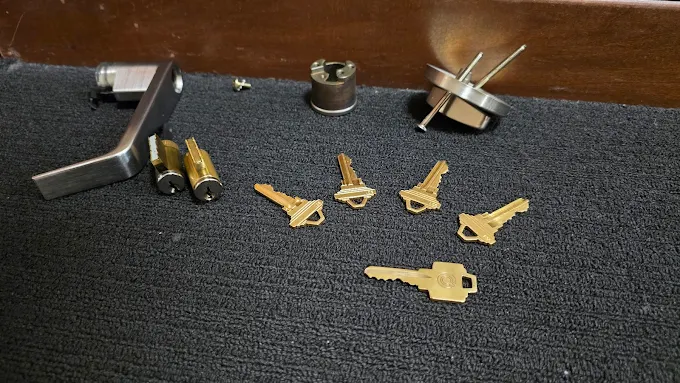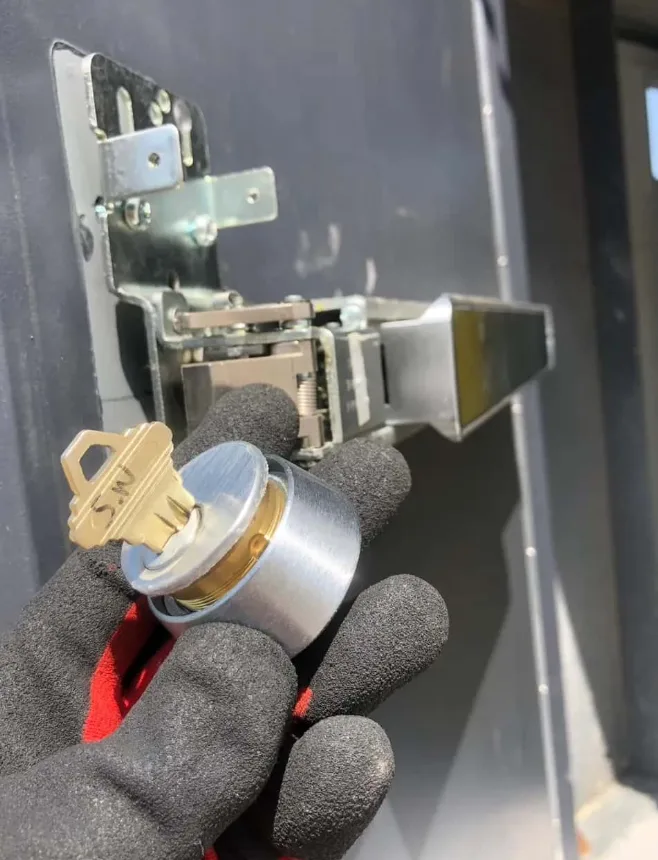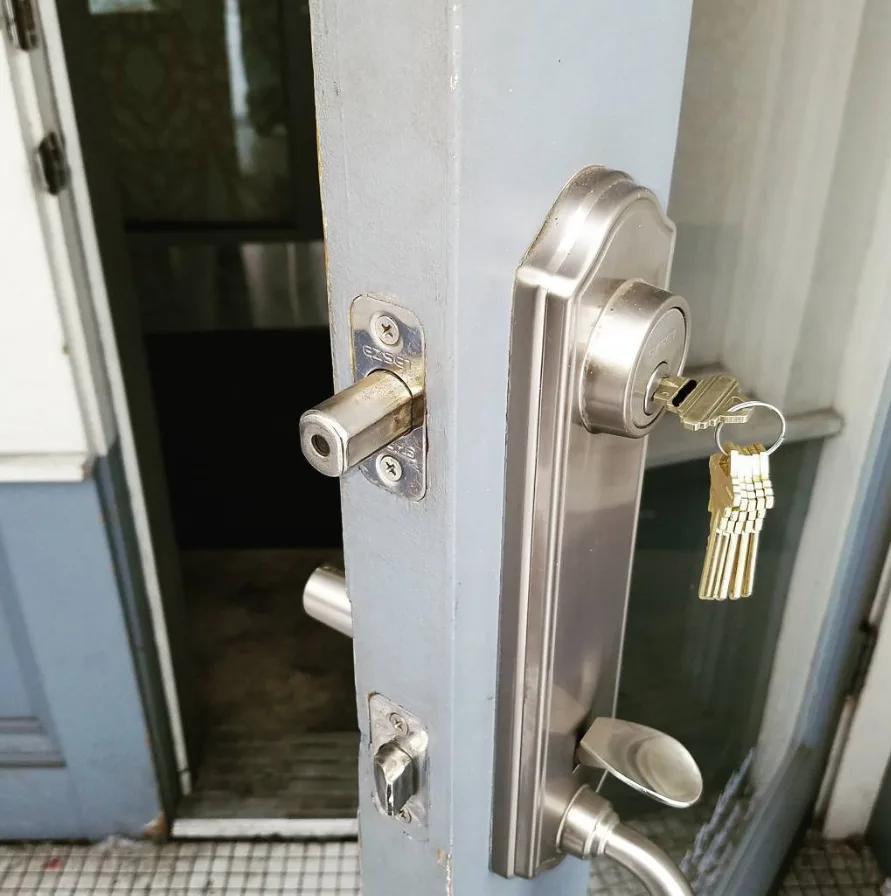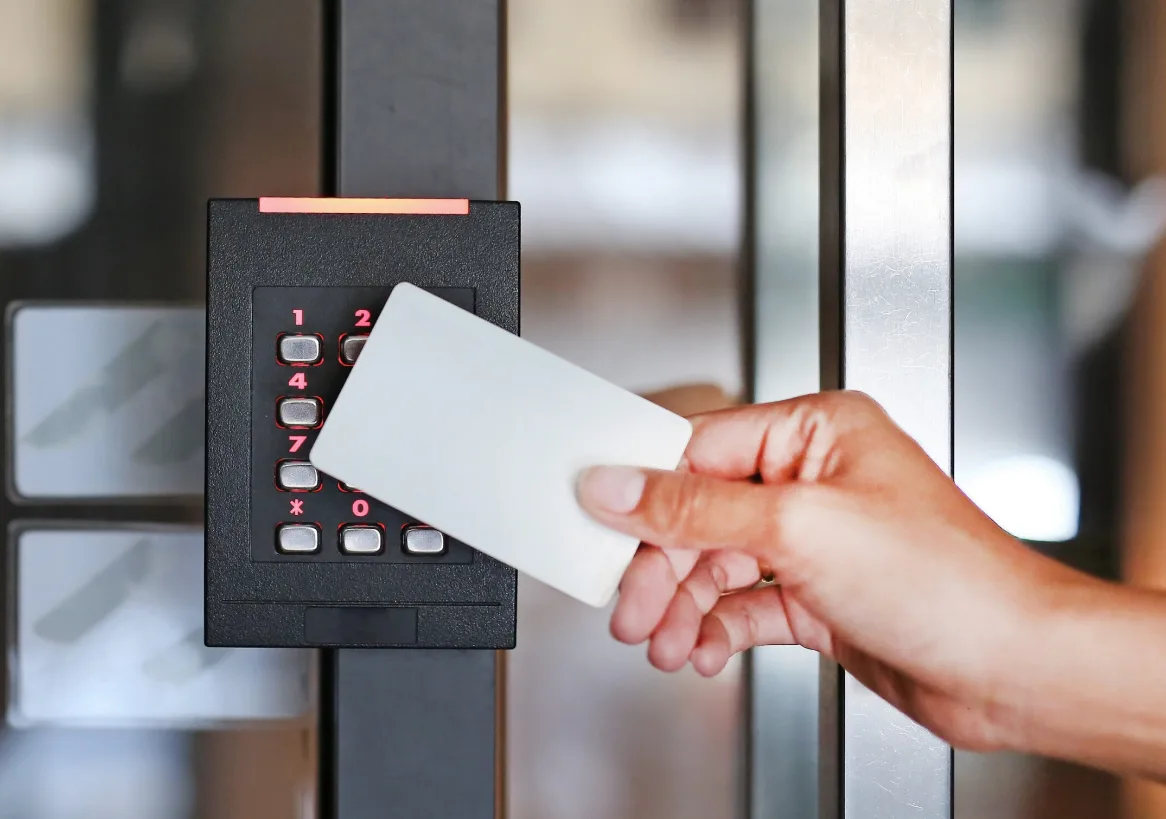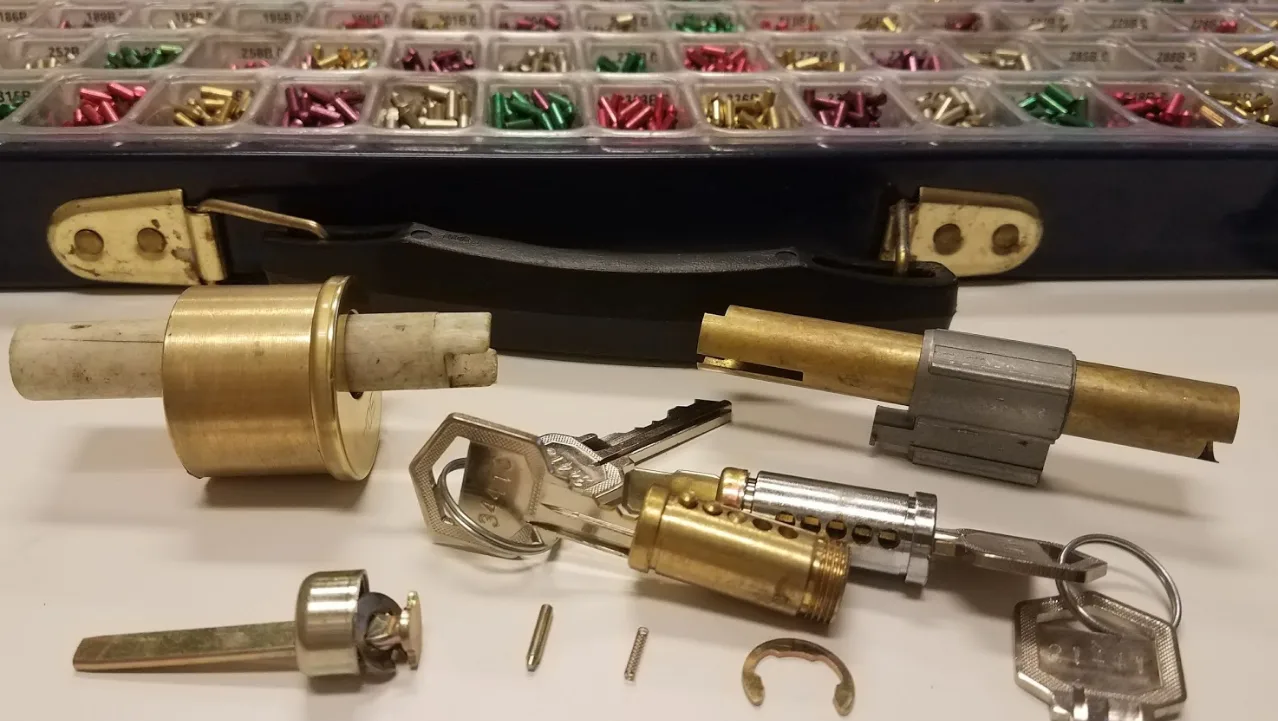
One master key that opens every unit. Individual change keys for tenants / employees. Rekey one cylinder without disturbing the master. Two-level, three-level, and construction master systems designed and maintained across PSL multi-family and commercial.
Master key systems in PSL for property managers, small commercial, medical practices, storage facilities, multi-unit residential portfolios.
Cost: $80-120 per cylinder for standard 2-level. $120-180 per cylinder for 3-level (grand master + sub-masters + change keys). Restricted keyway (no tenant key copying) adds 40-60%.
Bitting chart maintained on file (yours to access on request, never shared without written owner authorization).
Your last property manager left in 2023, took the master-key spreadsheet with her, and now you've got 14 suites at a Riverwalk plaza, six tenants who turned over since, and a maintenance guy with a ring of keys nobody can identify. Tenant in Suite 4 calls to say her ex-employee still has a working key, and you have no idea which other doors that key opens.
Rekeying every cylinder one-off costs more than it should and still leaves you without a real system. You need a documented hierarchy: one master for you, sub-masters for maintenance, individual change keys per tenant, all on paper, all on a key-control log.
We design and pin master-key systems for PSL plazas, medical buildings, and multi-suite offices. Typical 6-to-20 door system runs $480 to $1,400 with full bitting chart on file. Call (772) 284-5142.
Grand master, sub-masters by zone or trade, change keys per tenant. We map it before we pin it.
Your key system is documented on our side and yours. If a tenant loses a change key, we cut a duplicate on the same bitting in one visit.
One properly pinned system beats ten individual rekeys. Typical PSL plaza saves 30 to 45 percent over time on tenant turnover.
Move-out Friday, new tenant Monday. We swap the change-key bitting and leave the master untouched. No system rebuild.
Restricted keyway available if you want copy control - tenants can't run to Home Depot and duplicate the master.
Big-box and handyman locksmiths will rekey a door. They won't sit down with you and map a 14-door hierarchy that survives three years of tenant turnover. That's a different skill and a different conversation, and most outfits won't quote it because they can't pin it cleanly.
Walk-through first. We measure cylinder counts, note keyway types, and hand you a system diagram before any pin gets touched.
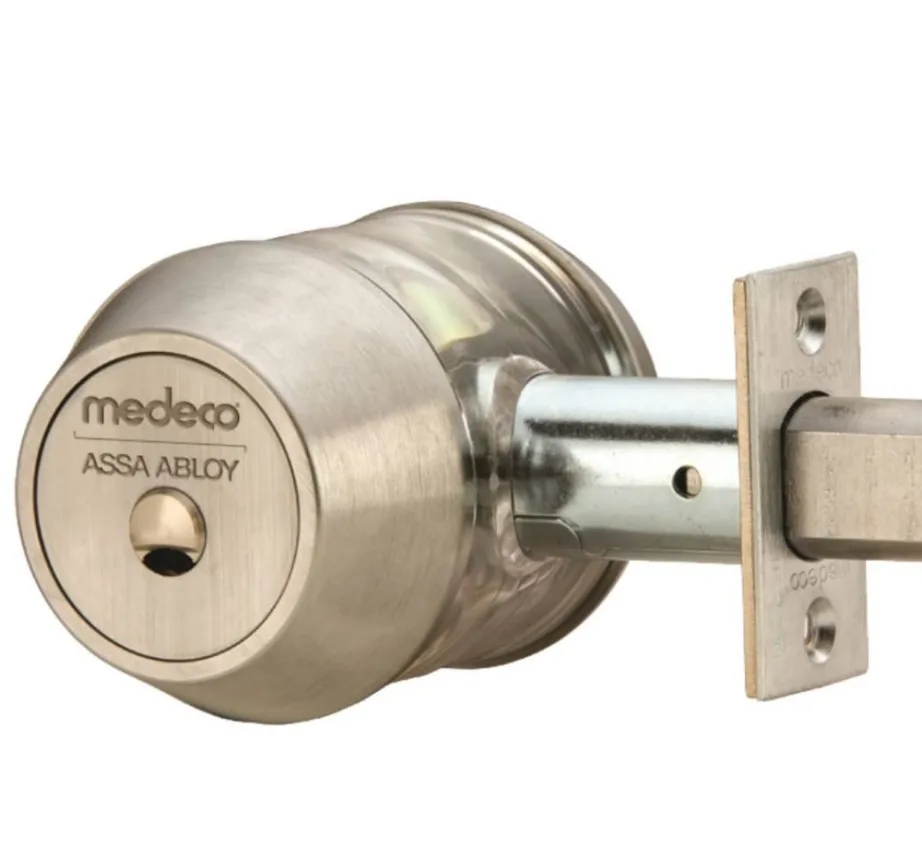
Schlage Primus or Mul-T-Lock means duplicates only happen with your written authorization. Stops the silent key-copy problem cold.
You own the bitting. If you ever fire us, you take the chart and any locksmith can service it. No vendor lock-in.
Several Tradition and Riverwalk plaza managers run our master systems. References available before you commit.
A standard pin-tumbler cylinder has one shear line - the line where the pins must align for the cylinder to turn. The key cut elevates each pin stack to that single shear line, and the cylinder rotates.
A master-keyed cylinder has TWO shear lines per pin stack - the standard one (operated by the change key) and a master-key shear line (operated by the master). Each pin stack has 3 pins (driver + master wafer + bottom pin) instead of 2 (driver + bottom pin). The master wafer creates the second shear line.
Practical result: every door has its own unique change key (works only on that door) AND a master key that opens all of them.
The math gets interesting with multi-level systems. A 3-level system has grand master (opens all), sub-masters (opens a building/floor), and change keys (opens one door). Pin stack design becomes more complex, and the number of usable key combinations decreases - but for most commercial / residential portfolios, 2-level is more than enough.
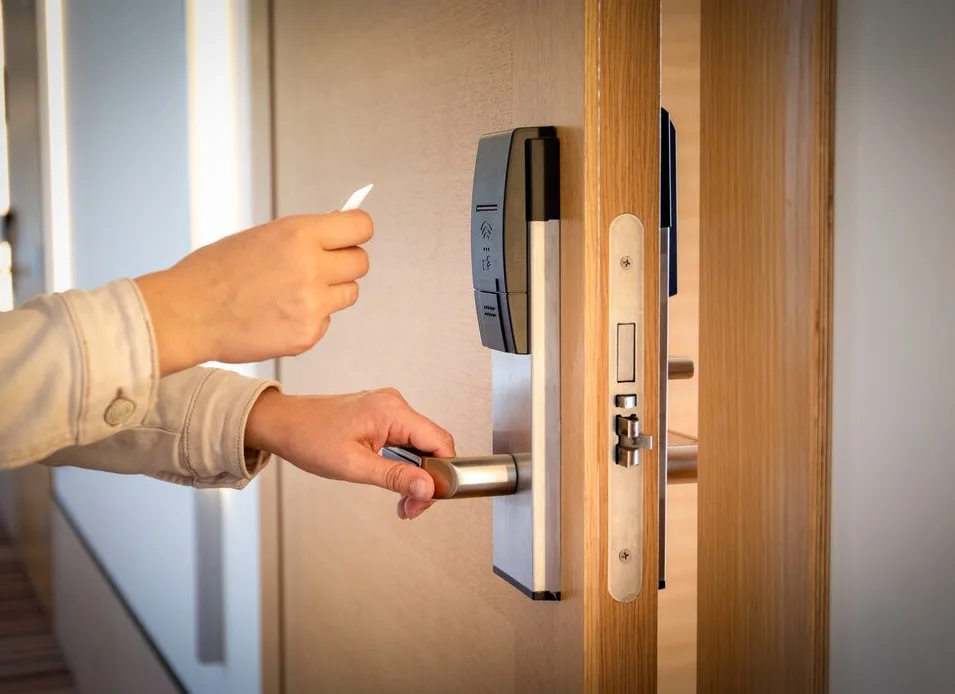
2-level (master + change keys). Most common. Property managers with 5-30 units. Small businesses (10-30 doors). Storage facilities. Restaurant chains with 1-3 locations. Single master opens everything, each door has its own change key.
3-level (grand master + sub-masters + change keys). Portfolios with 30-100+ units across multiple properties. Each property has its own sub-master; the grand master opens everything. Use case: regional property manager with 4 PSL buildings, sub-master per building.
Construction master. Temporary key (the builder's key) that works during construction phase, then stops working after C/O. Common on new builds - eliminates the need to rekey after every contractor leaves the job site. We rotate these on turnovers.
Selective key. A key that opens some specific doors but not others - useful for cleaning crews / maintenance who need access to common areas but not individual units. Pricing similar to standard master keying.
| Service | Typical Price | Notes |
|---|---|---|
| 2-level master keying per cylinder | $80 - $120 | Standard Schlage / Kwikset. Restricted keyway adds 40-60%. |
| 3-level master keying per cylinder | $120 - $180 | Grand master + sub-master + change. |
| Construction master setup | $60 - $90 per cylinder | Temporary master during construction. |
| Bulk tenant turnover rekey (1-bdr) | $95 - $140 | Maintains master operation. |
| Bulk tenant turnover rekey (2-bdr) | $120 - $180 | Same as above. |
| Master key replacement (when lost) | $60 - $120 | Cut from bitting chart on file. |
| Add doors to existing master system | $80 - $140 per door | Plus hardware if new locks needed. |
| Scenario | Doctor Lockout master key | Individual rekeys (no master) | Each tenant gets own lock + key |
|---|---|---|---|
| Owner / PM can access every unit | Yes - 1 key | Yes - heavy keyring (1 per door) | Yes - heavy keyring |
| Tenant rekey on turnover | Single cylinder repin | Same as us | New lock per turnover |
| System scalability | 2-level: 10-30 doors; 3-level: 100+ | N/A | Limited |
| Per-cylinder cost | $80-180 | $25-40 | $40-80 (each lock replaced) |
| Bitting chart maintained | Yes - on file | Per-door records | Per-lock keys |
Real person on the phone in under 2 rings. Locksmith on-site in 15-30 minutes. Honest price before any tools come out.
Call (772) 284-5142Rekeying gives every cylinder the SAME new key - every door uses the same key. Master keying gives each cylinder its OWN unique key (the change key) AND a master key that opens all of them. Master keying is for portfolios / commercial / multi-unit; rekeying is for a single residence.
Yes - we design and install master key systems for residential portfolios across PSL. Typical setup is 2-level (master + change keys per unit), with the property manager holding the master and each tenant getting their own change key. Tenant turnover involves repinning just that one cylinder - the master still works on every other door.
2-level master keying: $80-120 per cylinder. 3-level: $120-180 per cylinder. So a 20-unit property with 1 cylinder per door (deadbolt only) runs $1,600-2,400 for a 2-level setup. Adding hardware (if locks need replacing) ranges $40-180 per cylinder depending on grade.
If we have the bitting chart on file (we always do for master systems we design), we cut a replacement master from the chart. Cost $60-120. For restricted keyway (Medeco / Mul-T-Lock / Schlage Primus) replacement requires the original authorization card or restricted-key authorization paperwork from us.
For commercial / property management - strongly recommended. The whole point of master keying is access control, and a master + tenant change keys defeats itself if tenants can copy their change key at Walmart for $4. Medeco / Mul-T-Lock / Schlage Primus restricted keyway prevents that. Adds 40-60% to per-cylinder cost but pays back in not having to replace the master system when key copies escape.
Yes - if we have the bitting chart for your existing system (you don't need to provide; we maintain it). New doors are pinned to operate with the existing master + each gets its own change key. Add-on doors cost $80-140 per door plus any new hardware.
Master key system installs are concentrated in multi-family properties (PSL Boulevard apartment buildings, Sandpiper Bay condos, the Veranda Bay / Telaro mid-rises), small office buildings, medical practices clustered around Tradition Medical Plaza, and storage facilities along the US-1 corridor.
Last updated: 2026-05-18